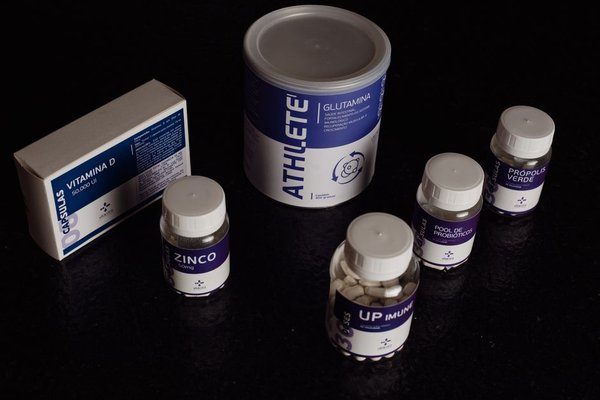
Every stride, landing and change of direction puts force through an athlete’s skeleton. Training helps bones adapt, but that adaptation depends on everyday nutrition. Calcium and vitamin D for athletes are worth reviewing when training volume rises, meals become rushed or an injury interrupts normal activity.
These nutrients work together, yet do different jobs. Calcium supplies much of bone’s mineral structure, while vitamin D helps the body absorb calcium. Neither is a shortcut to stronger bones, and taking extra cannot guarantee fracture prevention. The aim is reliable intake alongside adequate food, recovery and sensible training progression.
Why Bone Health Matters Across a Training Season
Bone is living tissue that constantly breaks down and rebuilds. Appropriate loading encourages it to become stronger over time. However, repeated impact without enough recovery can contribute to bone stress injuries, particularly when an athlete is also eating too little.
This is why bone health nutrition matters beyond childhood. Runners, dancers and court-sport athletes face repetitive impact, while cyclists and swimmers may receive less weight-bearing stimulus from their main sport. Nutritional foundations matter in both situations, although risks differ.
The International Olympic Committee identifies low energy availability as a threat to skeletal health. It occurs when insufficient dietary energy remains for normal body functions after exercise. Excellent calcium intake cannot fully compensate for chronic under-fueling. Our guide to fueling for endurance training explores that wider relationship.
Calcium: The Daily Building Material
Most of the body’s calcium is stored in bones and teeth. Smaller amounts support muscle contraction, nerve signaling and blood clotting. If dietary calcium remains inadequate, the body can draw on skeletal stores to maintain blood calcium levels.
For adults aged 19–50, the US recommended dietary allowance is 1,000 milligrams of calcium daily. Teenagers aged 14–18 need 1,300 milligrams while building bone mass. Women over 50 and adults over 70 generally need 1,200 milligrams. Athletes do not automatically need more simply because they train hard.
Food Sources of Calcium for Athletes
A cup of milk or calcium-fortified soy beverage commonly provides roughly 300 milligrams. Yogurt and cheese are useful options, although content varies by product. Dairy is convenient, not compulsory.
Other choices include calcium-set tofu, canned sardines or salmon with edible bones, and vegetables such as kale and bok choy. Some cereals and plant drinks are fortified. Check labels: a plant milk may look similar to dairy milk yet contain very little calcium if it is not fortified.
For athletes avoiding dairy, several calcium sources spread across the day are more dependable than a handful of nuts or one serving of greens. Spinach contains calcium, but its oxalate limits absorption. Low-oxalate greens and calcium-set tofu can contribute more.
Vitamin D: Helping Calcium Do Its Job
Vitamin D supports calcium absorption and normal bone mineralization. Too little can impair bone maintenance even when someone eats calcium-containing foods regularly. Unlike calcium, vitamin D occurs naturally in relatively few foods.
The US recommended dietary allowance for vitamin D is 15 micrograms, or 600 IU, daily for people aged 1–70. Adults over 70 need 20 micrograms, or 800 IU. These values are not special sports-performance targets.
Where Athletes Can Find Vitamin D
Fatty fish such as salmon and trout are useful sources. Egg yolks provide smaller amounts. Fortified milk, selected plant beverages and some cereals may help, but fortification varies by country and manufacturer. UV-exposed mushrooms can supply vitamin D as well.
Skin makes vitamin D after ultraviolet B exposure, but production depends on season, latitude, skin pigmentation, clothing and time outdoors. An athlete training inside through winter may receive less exposure than someone training outside in summer. Sunburn is not a nutrition strategy, and sunscreen remains important.
A Practical Food Check for a Busy Training Week
Imagine a college runner who leaves early for intervals, grabs a banana before class and eats most meals away from home. Their diet may include few obvious calcium foods. Instead of immediately buying supplements, they could review a typical three-day food log.
A realistic adjustment might be fortified milk with breakfast cereal, yogurt after practice and calcium-set tofu at dinner. Salmon during the week adds another vitamin D source. Exact totals depend on brands and portions, so labels and a dietitian’s assessment are more useful than assumptions.
Review this pattern when schedules change: travel, competition blocks, dietary restrictions and winter training can alter intake. Our sports nutrition meal planning guide offers a next step for organizing meals around demanding sessions.
When Testing or Supplements May Make Sense
Vitamin D for athletes is not a reason for everyone to take high-dose pills. A clinician may consider testing for people with relevant risk factors, suspected deficiency or bone stress injuries. Blood 25-hydroxyvitamin D is the usual measure, but results require medical interpretation.
Calcium supplements can fill a documented gap when food is insufficient. They are not necessarily more protective than calcium-rich foods. If a supplement is appropriate, its dose should account for calcium already present in meals and other products.
Excessive supplementation carries risks. High calcium intakes can cause adverse effects, and too much vitamin D can raise blood calcium. The general adult upper limit for vitamin D is 4,000 IU daily, not a recommended target. Athletes with kidney conditions, previous stones or relevant medications need individualized advice.
Persistent focal bone pain or recurring stress injuries warrants sports medicine assessment. Increasing athlete minerals alone is not enough for a possible bone injury. Our guide to recovery nutrition for athletes offers further context but cannot replace diagnosis.
Frequently Asked Questions
Do athletes need more calcium than non-athletes?
Not automatically. Standard recommendations depend on age and sex. Some athletes need closer assessment because of low energy intake, restricted diets or bone injury history, rather than a universal higher dose.
Can vitamin D prevent stress fractures?
Adequate vitamin D supports normal bone health, particularly when deficiency exists. It cannot guarantee protection. Training load, energy availability, bone strength and recovery also influence injury risk.
Is dairy necessary for strong bones?
No. Fortified soy beverages, calcium-set tofu, fish with edible bones and selected vegetables provide calcium. Athletes avoiding dairy should check serving sizes and fortification.
Should athletes take calcium and vitamin D together?
They work together physiologically, but not everyone needs a combined supplement. Food intake, age, vitamin D status and medical needs should determine whether supplementation is worthwhile.
Make Bone-Supporting Nutrition Routine
Healthy bones are built through repeated decisions, not one recovery shake or supplement bottle. Choose reliable calcium foods, include vitamin D sources, eat enough to support training and take persistent bone pain seriously. Those habits help the skeleton adapt to the workload athletes ask it to carry.