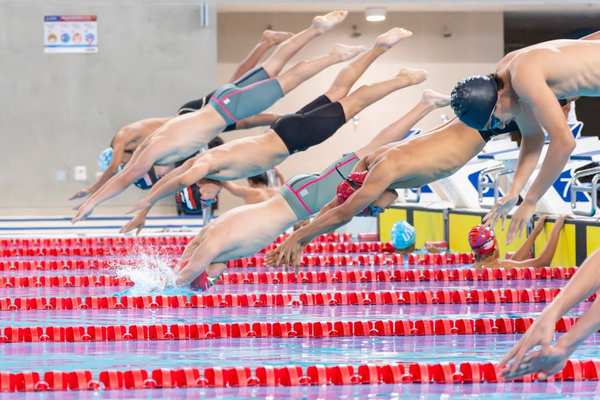
A dive can look polished once and unravel on the next attempt. The difference is often repeatability: consistent approach rhythm, an upward takeoff, a recognizable body shape and a controlled entry. Competitive diving training drills work best when they isolate these elements before connecting them again.
Instead of chasing a harder dive every session, build a progression from movement awareness to supervised board or platform work. Each drill should answer a practical question: which part of the dive needs to become more dependable?
Start by identifying one technical problem
With your coach, select a familiar skill you can perform safely. Observe three repetitions and record one feature, such as the timing of the final approach step or the body’s angle at entry. Choose one cue for the next set. “Keep the steps evenly paced” is easier to act on than five corrections at once.
Video from a safe, permitted filming position can reveal patterns, but use coach feedback to interpret them. The purpose is to compare attempts, not judge every movement by splash size.
Springboard drills for approach rhythm
Rehearse the approach on stable ground
Walk through your prescribed approach sequence on a clear, non-slip deck under coaching guidance. Notice the spacing of your steps, arm swing and hurdle preparation. Repeat at a controlled pace without jumping. A coach can clap a rhythm to reveal when the final steps begin to rush.
This exercise builds awareness before you deal with a moving board. The number of steps and their timing should follow the diver’s established technique, not a pattern copied from another athlete. A separate guide to springboard approach technique can explain the finer timing details.
Connect the hurdle to the board’s return
When ready, progress to supervised hurdle-and-takeoff work on the springboard. Pay attention to a balanced landing, appropriate board loading and an upward drive. After each repetition, compare how the timing felt with the coach’s observation. Extra bounce is not the objective if it makes the takeoff less predictable.
Develop an upward, controlled takeoff
Problems that appear in flight often begin at takeoff. A forward lean, collapsing torso or rushed rotation can undermine an otherwise familiar dive. Practise reaching tall from a stable standing position on land, using a comfortable bend and extension while keeping the trunk aligned.
For water-based progression, the coach may select simple takeoffs from an appropriate height. Watch the direction of travel rather than trying to create dramatic height. Springboard work involves using the board’s rebound; platform diving training involves pushing from a rigid surface. The two require different timing cues.
One useful comparison is to ask what happened before the feet left the surface. Did the diver finish extending, or start rotating too early? Correcting that sequence may improve the whole dive without adding difficulty.
Practise body shapes before demanding rotation
Use mats and coach-approved exercises to rehearse tuck, pike and straight positions. In tuck, aim for a compact, organized shape. In pike, fold at the hips while keeping the legs extended. A straight position should show a long line without an exaggerated lower-back arch.
Next, rehearse moving out of the shape smoothly. If a diver regularly opens late, slowing the transition on land can clarify the sequence before returning to supervised aerial work. Our guide to tuck, pike and straight diving positions can provide a useful reference during technique review.
Mobility and strength support these shapes, but aggressive stretching and forced positions are counterproductive. The aim is control that transfers to the actual dive, not just flexibility on a mat.
Use spotting drills to improve orientation
Spotting means recognizing useful visual references during the appropriate part of a dive. It does not mean staring at the water throughout a somersault. Coaches teach when to locate a reference, when to open and how those cues relate to rotation.
Specialist dryboard and trampoline stations with properly operated spotting belts can provide repeated opportunities to practise spatial awareness. These are not home drills. USA Diving’s aerial-training guidance stresses that facility conditions and individual athlete readiness must be assessed before aerial skills are attempted.
Consider a diver who opens late during a familiar forward somersault. Rather than immediately increasing height, the coach can review takeoff and tuck timing, then use a suitable harness-supported progression to rehearse recognizing the opening moment. Only when controlled should the skill return to an appropriate water-based setting.
Train entries as their own skill
World Aquatics’ diving rules consider entry angle, alignment, leg and foot position, appropriate arm position and disturbance of the water. A small splash by itself does not prove a well-executed dive.
Coaches can select approved line-up and entry progressions suited to the diver’s readiness, facility and water clearance. For a head-first entry, correct overhead arm alignment and body control are essential. After each attempt, review just one feature: verticality, leg position or the line of the arms. A separate diving entry technique guide can help connect these details.
Put the drills into a practice workflow
An illustrative 40-minute technical block could include five minutes of gentle preparation, eight for approach rhythm, eight for takeoff, ten for body shape and spotting progressions, seven for familiar entries and two for notes. This is not a universal prescription; a qualified coach should set workload, rest and activities.
Let one station inform the next. If approach timing remains inconsistent, do not automatically progress to harder rotation. If takeoff is steady but opening is late, revisit body position and spotting. After diving practice, log the skill, one useful cue and the next adjustment. Three controlled attempts may teach more than a long series of rushed ones.
Progress safely, not just quickly
New aerial skills, harness spotting, dryboards, trampolines and elevated entries require qualified supervision and appropriate facilities. Never improvise spotting equipment, attempt unsupported somersaults or move to greater heights without approval. Report pain, dizziness or unusual fatigue; technique deteriorates when control is compromised.
A good progression respects the individual diver’s experience and readiness. Rest and specific feedback are part of technique training, not interruptions to it.
Frequently asked questions
Which competitive diving training drills should come first?
Start with the element your coach identifies as least consistent. Approach rhythm, balanced takeoff, basic body positions and familiar entries usually provide a stronger foundation than immediately adding rotations.
How often should divers repeat technical drills?
Technical work can appear throughout regular coached sessions, but the number of repetitions depends on age, experience, fatigue and training load. Quality of execution matters more than an arbitrary daily target.
Can springboard drills help platform divers?
Many shape, alignment and orientation drills transfer. Board-loading and rebound-timing drills do not directly transfer to a rigid platform, so takeoff exercises must be adapted.
Is it safe to practise spotting alone?
Coach-approved ground-based awareness exercises may be appropriate, but aerial spotting, flips and dryboard rotations require qualified supervision and suitable equipment. Do not attempt them alone.
Connect technique into repeatable dives
Approach rhythm sets up takeoff; takeoff supports shape and opening; those movements influence entry. Make each drill solve a specific problem, compare attempts thoughtfully and advance only when control is reliable. That is how individual diving drills become a coherent training system rather than a collection of disconnected exercises.