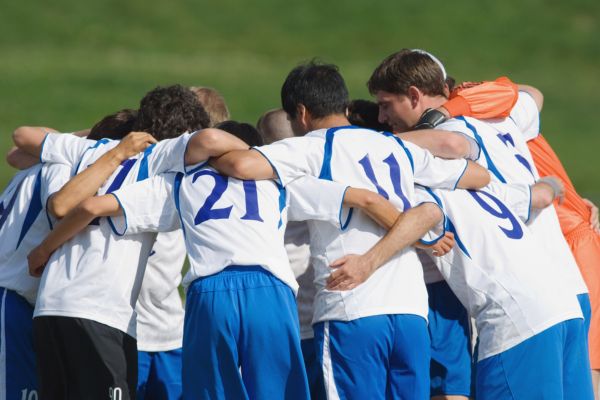
A youth sports program can look simple from the sidelines. Children arrive in uniforms, coaches organize drills, referees manage the game, and parents cheer from folding chairs. Yet behind every practice and weekend match is a network of people keeping things moving. Someone lined the field, organized the equipment, sent the schedule, collected forms, managed snacks, or stayed late to lock up.
That hidden effort is what makes volunteering in youth sports so important. Community programs often depend on adults who are willing to give a few hours, share a skill, or simply help where needed. Not every volunteer has to be an experienced athlete. Some of the most valuable roles have little to do with knowing the rules of the game.
Volunteering can strengthen local sports, support children, and bring adults closer to their communities. It can also be personally rewarding in ways that are easy to overlook until you become involved.
Youth Sports Depend on Community Support
Many youth leagues operate with limited budgets and small administrative teams. Registration fees may cover uniforms, facilities, insurance, equipment, and officials, but they rarely pay for every task required to run the season.
Volunteers fill those gaps. They coach teams, coordinate schedules, prepare fields, manage score tables, organize transportation, and assist during tournaments. Without them, programs may be forced to reduce the number of teams, increase fees, or cancel activities altogether.
This means volunteering is not an optional extra in many communities. It is part of the structure that allows children to participate.
Even a small contribution matters. One parent helping with registration can reduce pressure on an organizer. Another person setting up cones before practice saves the coach time. Several modest efforts, spread across a group, can keep the entire program running smoothly.
Children Benefit from More Supportive Adults
Young athletes need more than technical instruction. They benefit from being surrounded by adults who are patient, encouraging, reliable, and interested in their progress.
A volunteer coach may teach passing or batting, but also models how to respond to mistakes. A team helper can make a nervous child feel welcome. A volunteer official can show that rules can be enforced calmly and fairly.
Children notice how adults behave. They see whether volunteers speak respectfully, keep promises, and remain composed when games become tense. These everyday examples can influence how young players treat teammates, opponents, and authority figures.
Not every child has the same level of support outside sports. For some, a dependable adult in a community program may become an important source of confidence. The volunteer does not need to become a mentor in a formal sense. Simply showing up consistently can matter.
You Do Not Need to Be a Sports Expert
A common reason people avoid volunteering in youth sports is the belief that they are not qualified. They may never have played the sport, may not understand every rule, or may feel uncomfortable leading a team.
Fortunately, youth programs need many kinds of help.
Someone with organizational skills can manage schedules or registration. A person who enjoys photography might document team events. Others can assist with uniforms, equipment, fundraising, first-aid supplies, communication, or facility setup.
Even coaching roles do not always require advanced experience, especially with younger age groups. Many programs provide training, practice plans, safety guidance, and support from more experienced volunteers. Patience and a willingness to learn are often more important than having an impressive sporting background.
The best starting point is usually honesty. Let organizers know what you are comfortable doing, how much time you can offer, and whether you prefer working directly with children or helping behind the scenes.
Volunteering Builds Stronger Local Connections
Modern schedules can make communities feel strangely disconnected. People may live on the same street yet barely know one another. Youth sports create a natural meeting place, and volunteering deepens that connection.
Working together introduces adults who might not otherwise meet. Parents, teachers, retirees, students, local workers, and former athletes often find themselves sharing the same responsibilities.
These relationships can grow slowly. A conversation while setting up chairs may lead to a friendship. Helping during a tournament can create useful local contacts. Familiar faces make the community feel smaller and more supportive.
Volunteers also gain a better understanding of the challenges local families face. Transportation difficulties, financial pressure, language barriers, and limited access to equipment become more visible. That awareness can lead to thoughtful solutions, such as equipment-sharing programs, flexible schedules, or reduced-cost participation.
It Offers a Different Way to Support Your Child
Parents often volunteer because their own child is participating. This can be a meaningful way to stay involved without placing all the attention on performance.
Helping with the team allows parents to understand the environment their child is experiencing. They see how practices are organized, how teammates interact, and what the coach expects.
However, balance is important. A child may feel proud to have a parent involved, but they may also need space. Constant correction, public criticism, or special treatment can make the experience uncomfortable.
The healthiest approach is to support the entire group rather than focusing only on one child. When parents treat every player fairly and allow coaches to coach, volunteering can strengthen the relationship rather than create pressure.
It also gives children a chance to see their parents contributing to something larger than the family. That example can shape their own understanding of responsibility and service.
Adults Learn Valuable Skills Too
Volunteering is often described as giving, but volunteers gain plenty in return. Youth sports can develop practical skills that carry into work, family life, and other community roles.
Coaches learn communication, leadership, planning, and conflict management. Team coordinators become better at organization and problem-solving. Event volunteers learn how to handle unexpected changes without letting the whole day fall apart.
Working with children also teaches flexibility. A drill that seemed perfect may fail completely. A carefully planned schedule may be interrupted by weather, missing equipment, or a child who needs reassurance. Volunteers learn to adjust quickly.
These experiences can build confidence, especially for people who have not held formal leadership roles before. Guiding a small group, explaining an activity, or resolving a disagreement can reveal abilities that were not obvious before.
Volunteering Helps Keep Sports Affordable
Youth sports can become expensive. Families may face registration fees, equipment costs, uniforms, travel expenses, and tournament charges.
Volunteer labor helps programs control some of those costs. When community members coach, organize events, maintain facilities, or assist with administration, the league does not have to pay staff for every responsibility.
This does not eliminate financial pressure, but it can make participation more accessible. A well-supported local program may be able to offer lower fees, equipment loans, or assistance for families who cannot afford the full cost.
Volunteers may also help identify unnecessary expenses. People who understand the needs of local families can encourage practical decisions instead of allowing the program to become overly focused on expensive uniforms, elaborate events, or constant travel.
Keeping youth sports accessible matters because talent and enthusiasm are not limited to families with large budgets.
Good Volunteers Shape a Healthier Sports Culture
Youth sports can bring out strong emotions. Adults may become overly focused on winning, playing time, rankings, or future opportunities. In that atmosphere, thoughtful volunteers can help keep the experience centered on children.
A healthy sports culture values effort, safety, teamwork, learning, and enjoyment. Winning still matters, especially as players grow older, but it should not justify humiliation, aggression, or unfair treatment.
Volunteers influence this culture through small choices. They can praise improvement rather than only results. They can speak respectfully to officials. They can discourage adults from arguing on the sidelines. They can make sure less confident players are not ignored.
These actions may seem minor, yet they shape what children believe sports are supposed to feel like.
When the adults remain calm and fair, young players are more likely to take risks, learn from mistakes, and stay involved for longer.
Clear Boundaries and Safety Matter
Volunteering with children carries responsibility. Programs should have clear safeguarding policies, background checks where required, emergency procedures, and rules about communication.
Volunteers should understand appropriate boundaries. Interactions with children should remain professional, visible, and connected to the activity. Private messaging, transportation, photography, and one-to-one situations may require specific permission or procedures.
Training is not a sign that volunteers are distrusted. It protects children, families, and volunteers themselves.
Physical safety matters too. Adults should know how to respond to injuries, extreme weather, dehydration, unsafe equipment, and signs that a player should stop participating.
A good volunteer is not someone who tries to handle everything alone. It is someone who follows the program’s procedures and asks for guidance when unsure.
Small Commitments Can Still Make a Difference
Some people assume volunteering requires taking responsibility for an entire season. That can discourage those with demanding jobs, health limitations, or family commitments.
In reality, many programs need short-term help. A person might assist at one tournament, help distribute uniforms, manage a single registration evening, or cover a few practices.
It is better to offer a realistic commitment than to agree to too much and become overwhelmed. Consistency matters, but so does honesty about available time.
Volunteering should support the community without creating resentment at home or exhaustion in the volunteer. A few dependable hours can be more useful than an ambitious promise that cannot be maintained.
Giving Time Where It Matters
Volunteering in youth sports is not only about filling empty roles. It is about helping create places where children can move, learn, compete, make friends, and feel that they belong.
The work is not always glamorous. It may involve carrying equipment, answering repetitive messages, standing in bad weather, or calming a disagreement after a close game. Yet those ordinary tasks are exactly what keep youth programs alive.
Volunteers make sports more affordable, more welcoming, and more connected to the communities they serve. They also gain relationships, confidence, and a clearer sense of how shared effort can shape a child’s experience.
You do not need to know every rule or commit every weekend. You only need to be reliable, respectful, and willing to contribute in a way that fits your abilities. Sometimes the person handing out jerseys or setting up cones has just as much impact as the person leading the team.