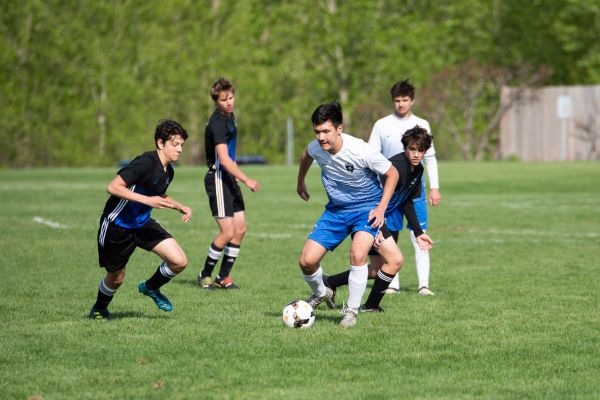
Youth sports can bring out the best in children. They learn how to run a little harder, listen a little closer, lose with more grace, and celebrate small wins that may not show up on a scoreboard. A child who joins a team or commits to a sport often discovers more than athletic skill. They learn patience, courage, discipline, and the strange little lesson that effort does not always bring instant results.
But behind almost every young athlete, there is a parent trying to figure out where they fit. Should they push more or step back? Should they speak to the coach or stay quiet? Should they cheer loudly, correct mistakes, track performance, or simply bring snacks and say, “I loved watching you play”?
The parent role in youth sports is not always simple. It changes as children grow, as competition gets stronger, and as sports become more demanding. Still, the heart of it remains the same. Parents are there to support the child, not control the experience.
Being the Safe Place After the Game
One of the most important things a parent can offer in youth sports is emotional safety. After a game, children are often already replaying every moment in their heads. They remember the missed shot, the dropped catch, the slow start, the bad call, or the mistake everyone seemed to notice. They may not need a full review from the car seat beside them.
This is where parents have real influence. A calm response after both wins and losses teaches children that their worth is not tied to performance. A simple, warm comment can mean more than a detailed breakdown. When a parent says, “I enjoyed watching you play,” it gives the child room to breathe.
That does not mean mistakes should never be discussed. Children can learn from games, of course. But timing matters. Tone matters even more. A young athlete is more likely to listen when they feel supported first, not judged the moment they step off the field.
Encouraging Effort Without Creating Pressure
There is a fine line between encouragement and pressure. Most parents mean well when they push their children to practice harder or take the sport seriously. They see potential. They want their child to improve. They may also know how competitive the world can be.
But children can feel pressure even when no one says anything harsh. They notice facial expressions. They hear sighs from the sideline. They pick up on disappointed silence in the car. Sometimes the pressure comes not from one big lecture, but from many small moments that make the sport feel heavier than it should.
Healthy encouragement focuses on effort, attitude, and growth. It notices when a child keeps trying after a mistake. It praises teamwork, focus, and courage. It reminds them that improvement takes time. When parents only praise goals, trophies, points, or starting positions, children may begin to believe those are the only things that matter.
The parent role in youth sports should help children build confidence that lasts beyond one season. Confidence built only on winning is fragile. Confidence built on effort is steadier.
Letting Coaches Coach
Parents naturally want to help, especially when they think their child is being overlooked or misunderstood. It can be hard to watch from the sideline when a child is benched, placed in a different position, or corrected by a coach. The instinct to step in can be strong.
Still, one of the healthiest boundaries in youth sports is letting coaches coach. Children need to learn how to listen to another adult, handle feedback, adapt to different expectations, and advocate for themselves in respectful ways. If a parent constantly intervenes, the child may miss those lessons.
This does not mean parents should ignore serious problems. Safety concerns, bullying, unfair treatment, or unhealthy coaching behavior should be addressed. But everyday coaching decisions are usually best left to the coach. A parent can ask questions calmly when needed, but the goal should be understanding, not control.
When parents and coaches respect each other’s roles, the child gets a much clearer experience. The coach guides performance. The parent protects perspective.
Keeping the Game Fun
Children often begin sports because they are fun. They like running around, wearing the uniform, being with friends, or learning a new skill. Over time, that joy can get buried under travel schedules, rankings, private training, tryouts, and constant comparison.
Parents can help protect the fun. That may sound simple, but it matters. Fun does not mean children never work hard. A sport can be challenging and still enjoyable. It can involve discipline and still feel playful. The problem begins when every practice feels like a test and every game feels like proof of future success.
A child who enjoys the sport is more likely to stay active, keep learning, and develop a healthy relationship with movement. A child who feels trapped by expectations may burn out, even if they are talented.
Sometimes parents need to ask honest questions. Does my child still look happy playing? Do they talk about the sport with excitement or only stress? Are they playing because they love it, or because they are afraid to stop?
Those answers can reveal a lot.
Teaching Respect From the Sideline
The sideline is a classroom too. Children watch how parents react to referees, coaches, opponents, and other families. They notice when adults complain, argue, gossip, or blame. They also notice when adults stay composed, clap for good effort, and respect the flow of the game.
Sideline behavior shapes the sports environment. A loud, angry parent can make a game feel tense for everyone. A supportive parent can help make the same game feel positive, even when it is competitive.
Good sideline support does not need to be silent. Cheering is part of the fun. But the best cheering gives energy without taking over. It encourages the child without embarrassing them. It supports the team without attacking anyone else.
Youth sports should teach children how to compete with respect. Parents help teach that lesson every time they watch.
Helping Children Handle Losing
Losing is one of the most valuable parts of youth sports, even though it rarely feels that way at the time. It teaches children that disappointment is survivable. It shows them that effort matters, but outcomes are not always controllable. It gives them a chance to practice resilience in a setting that is real but not life-ending.
Parents can make losing healthier by not rushing to blame. The referee does not always need to be the reason. The coach does not always need to be criticized. The opponent does not need to be dismissed as lucky. Sometimes the other team simply played better. Sometimes your child’s team made mistakes. That is part of sport.
A parent who can sit with disappointment calmly teaches a powerful lesson. Losing hurts, but it does not have to become shame. It can become information. It can become motivation. And sometimes, it can simply be one hard afternoon that passes.
Watching for Burnout and Stress
Young athletes may not always say, “I am burned out.” They may complain of stomachaches before practice, lose interest, become unusually emotional, or start dreading something they once enjoyed. They may seem tired all the time or anxious about making mistakes.
Parents are often the first to notice these changes. That is why their role goes beyond transportation and fees. They are the ones who see the child before and after the sport, not only during performance.
Rest, balance, and open conversation are essential. Children need permission to be honest about how they feel. They also need to know that taking a break does not make them weak or ungrateful. Sports should challenge young people, but they should not swallow their whole identity.
Supporting the Child, Not the Dream
Sometimes youth sports become tangled with adult dreams. A parent may remember their own athletic past, or the chance they never had, or the future they hope their child might reach. Scholarships, elite teams, and professional dreams can quietly enter the conversation earlier than they should.
There is nothing wrong with ambition. Some children truly love high-level competition and want to chase big goals. But those goals should belong to the child as much as possible. Parents can guide, encourage, and provide opportunities, but they should be careful not to turn a child’s sport into an adult project.
A young athlete needs to feel loved on the bench, in the starting lineup, after a win, after a mistake, during a great season, and during an ordinary one. That kind of support gives them freedom. It tells them they are more than their statistics.
Finding the Right Balance
The parent role in youth sports is a balance of involvement and restraint. Parents should be present, but not overpowering. Interested, but not obsessive. Encouraging, but not demanding. Protective, but not controlling.
That balance will look different for every family. A shy child may need help speaking up. A highly driven child may need reminders to rest. A sensitive child may need gentler post-game conversations. A confident child may need space to manage more on their own.
The best parents keep learning alongside their children. They adjust. They apologize when they get it wrong. They remember that sports are not only about producing better athletes, but helping raise healthier, stronger, more grounded people.
In the end, youth sports are a shared journey, but the game belongs to the child. Parents can carry the bag, drive to practice, clap from the sideline, comfort the tears, and celebrate the growth. They can help build the kind of experience a child remembers warmly years later.
And maybe that is the real role: not to make every game perfect, but to make sure the child feels supported enough to keep playing, learning, and becoming themselves.