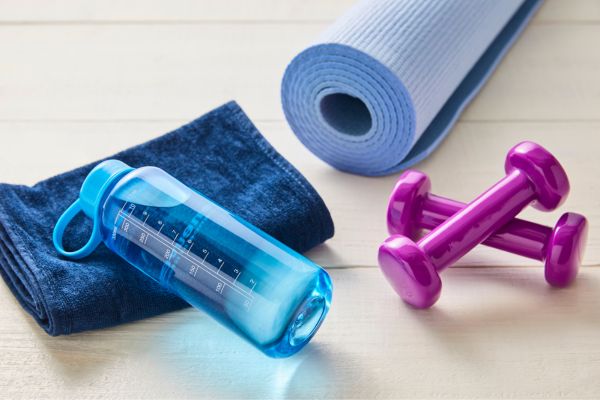
Home workouts have changed a lot over the past few years. They are no longer just a backup plan for days when the gym feels too far away or the weather refuses to cooperate. For many people, training at home has become the easiest way to stay consistent. No commute, no waiting for machines, no crowded locker rooms. Just a bit of space, a plan, and the right gear.
Still, building a home workout setup can feel confusing. Some equipment looks impressive but ends up collecting dust. Other pieces seem almost too simple, yet they become the things you use every week. The best home fitness gear is not always the biggest or most expensive. It is the gear that fits your space, supports your goals, and makes movement feel more natural in your daily routine.
In 2026, the conversation around home training is moving toward smarter, more practical choices. Wearable fitness technology, strength training, mobility work, recovery tools, and hybrid-style workouts continue to shape how people exercise at home. So, when looking at the top fitness gear for home workouts, it helps to think beyond trends and focus on what actually earns its place in your room.
A Good Exercise Mat Sets the Foundation
Every home workout setup should begin with a reliable exercise mat. It is not exciting in the flashy sense, but it quickly becomes essential. A good mat gives your body a comfortable surface for stretching, core work, yoga, mobility drills, and low-impact strength exercises.
The right mat depends on how you train. A thinner mat works well for balance-focused workouts because it lets you feel more stable against the floor. A thicker mat may feel better for kneeling exercises, Pilates-style movements, or recovery sessions. Texture also matters. A slippery mat can ruin a workout faster than almost anything, especially when sweat gets involved.
An exercise mat also helps define your workout space. Even in a small bedroom or living room corner, rolling out a mat creates a little mental shift. It tells your brain, “This is where training happens.” That small cue can make consistency easier.
Adjustable Dumbbells Save Space Without Limiting Progress
For strength training at home, adjustable dumbbells are one of the most useful investments. Traditional dumbbell sets take up a lot of room, and not everyone has space for a full rack. Adjustable dumbbells solve that problem by giving you multiple weight options in one compact design.
They work well for squats, lunges, presses, rows, curls, Romanian deadlifts, and plenty of other exercises. More importantly, they allow progressive overload, which simply means you can increase resistance as you get stronger. Without that, home workouts can become too easy after a while.
The key is choosing a weight range that matches your current level and leaves room to grow. Beginners may not need very heavy dumbbells at first, but having a little extra range helps prevent outgrowing the equipment too quickly. Comfortable handles and secure locking systems are also important because shaky or awkward dumbbells can distract from good form.
Among the top fitness gear for home workouts, adjustable dumbbells stand out because they support long-term training without turning your home into a full gym.
Resistance Bands Are Small but Surprisingly Powerful
Resistance bands are easy to underestimate. They look simple, sometimes almost too simple. Yet they can add serious value to a home workout routine. They are lightweight, affordable, portable, and useful for strength, mobility, warm-ups, and rehabilitation-style movements.
Loop bands are great for glute activation, lateral walks, hip work, and lower-body warm-ups. Tube bands with handles can be used for rows, presses, curls, and shoulder exercises. Longer bands can assist with stretching or make bodyweight movements more challenging.
Bands also provide a different kind of resistance than weights. The tension increases as the band stretches, which can make muscles work harder near the end of a movement. This is especially useful for controlled exercises where you want to feel the muscle working without needing heavy equipment.
For small apartments, travel, or quick workouts between tasks, resistance bands are hard to beat.
A Kettlebell Brings Strength and Conditioning Together
A kettlebell is one of the most versatile pieces of home fitness gear because it blends strength, coordination, balance, and cardio in one tool. You can use it for goblet squats, deadlifts, rows, presses, carries, and swings. With the right technique, kettlebell training can feel athletic and efficient without needing much space.
The swing is probably the movement most people associate with kettlebells, but it should be learned carefully. It is a hip-driven movement, not a squat with arm momentum. Good form matters. When used properly, kettlebells can build power through the hips, strengthen the core, and raise the heart rate quickly.
For beginners, one medium-weight kettlebell may be enough to start. More experienced exercisers might prefer two or three different weights. Adjustable kettlebells are also becoming more common for home setups, especially where storage space is limited.
A Pull-Up Bar Adds Upper-Body Challenge
A pull-up bar can turn a doorway or wall area into a serious upper-body training station. Pull-ups and chin-ups build the back, arms, shoulders, and core. Even if full pull-ups are not possible yet, the bar can still be useful for dead hangs, assisted pull-ups, controlled negatives, hanging knee raises, and mobility work.
Doorway pull-up bars are popular because they do not require much space, although they must be installed or positioned securely. Safety matters here. A loose bar is not worth the risk. Before every session, it is smart to check that the bar is stable and suited to the doorway or mounting surface.
For people who sit a lot during the day, hanging from a bar can also feel surprisingly good. It helps open the shoulders and gives the upper body a break from rounded desk posture.
A Jump Rope Keeps Cardio Simple
Cardio equipment does not have to be large. A jump rope can deliver a challenging workout in a very small space. It improves coordination, footwork, rhythm, and cardiovascular endurance. It can also be used for quick warm-ups before strength training.
The beauty of a jump rope is its simplicity. You do not need a screen, motor, or complicated setup. Just enough floor space and a surface that is safe for jumping. However, it may not be ideal for everyone. People with joint discomfort, downstairs neighbors, or very low ceilings may need lower-impact alternatives.
For those who can use it comfortably, a jump rope is one of the most efficient tools for short, energetic home workouts. A few minutes can feel surprisingly intense.
A Compact Cardio Machine Can Make Consistency Easier
Some people enjoy bodyweight cardio. Others need a machine to stay consistent. A compact treadmill, exercise bike, rowing machine, or under-desk walking pad can be helpful, especially for people who work from home or prefer indoor movement.
The best choice depends on your body, space, and routine. A walking pad is useful for light daily movement and step goals. A stationary bike is often easier on the joints. A rower offers a full-body workout but requires good technique. A foldable treadmill can be useful for walking or running, though it needs more space and careful storage.
The mistake many people make is buying cardio equipment based on intensity rather than habit. The best machine is the one you will actually use. If walking while listening to a podcast feels easier to repeat than a hard cycling session, that matters.
Wearable Fitness Trackers Help You Notice Patterns
Wearable fitness technology continues to shape home workouts in 2026. Smartwatches and fitness trackers can monitor heart rate, steps, sleep, recovery patterns, workout duration, and general activity levels. They are not perfect, and the numbers should not control your life. Still, they can be useful when viewed as feedback rather than judgment.
For home workouts, wearables can help you see whether you are training consistently, recovering well, or moving enough outside formal exercise sessions. Sometimes the most important insight is not a personal record. It is realizing that your sleep has been poor or your daily movement has dropped.
Used wisely, a tracker can support better habits. Used obsessively, it can become another source of stress. The healthiest approach is to let the data guide you, not boss you around.
Recovery Tools Deserve a Place in the Routine
Recovery used to be an afterthought. Now, more people understand that progress does not only happen during workouts. It also happens when the body adapts afterward. That is why foam rollers, massage balls, stretching straps, and massage guns have become common in home fitness spaces.
A foam roller can help with general muscle tension and warm-up routines. Massage balls work well for smaller areas like the feet, glutes, and upper back. Stretching straps can help improve flexibility without forcing awkward positions. Massage guns may feel useful for larger muscle groups, although they should be used gently and not treated as a cure-all.
Recovery gear is most helpful when it encourages you to slow down and pay attention to your body. Five quiet minutes after training can make a home workout feel more complete.
Core Sliders and Stability Tools Add Variety
Core sliders, balance pads, and stability balls can make familiar exercises feel fresh again. Sliders are useful for mountain climbers, lunges, hamstring curls, plank variations, and controlled core work. They are small, easy to store, and surprisingly demanding.
Stability balls can be useful for core training, stretching, and some strength exercises, although they take up more room. Balance pads support ankle stability, coordination, and lower-body control. These tools are not necessary for everyone, but they can add variety once the basics are already covered.
The important thing is not to let novelty replace fundamentals. Stability tools should improve control, not turn every workout into a circus act.
Storage Gear Keeps the Space Usable
A home workout area has to fit inside real life. That means storage matters. A small rack, basket, wall hooks, or storage bench can keep equipment organized and easy to reach. When gear is scattered everywhere, workouts feel like a chore before they even begin.
Clean storage also protects your equipment. Bands do not get tangled, dumbbells do not become tripping hazards, and mats do not sit crumpled in a corner. More than that, an organized space makes training feel inviting.
This may not sound like fitness gear, but it can make a real difference. The easier it is to start, the more likely you are to keep going.
How to Choose What You Actually Need
It is tempting to buy everything at once, especially when home fitness content makes every tool look essential. But most people do better by starting small. A mat, resistance bands, and one or two strength tools can support a wide range of workouts. From there, you can add equipment based on what you enjoy and what your routine is missing.
If your goal is strength, prioritize dumbbells, kettlebells, and a pull-up option. If your goal is general health, a mat, bands, and a walking-friendly cardio option may be enough. If mobility and stress relief matter most, recovery tools and a comfortable mat may be more useful than heavy weights.
The top fitness gear for home workouts is personal. It should match your body, your space, your schedule, and your motivation style.
Conclusion
Home fitness works best when it feels realistic. You do not need a perfect gym setup or a room full of expensive equipment. You need gear that helps you move well, train safely, and stay consistent even when life gets busy.
In 2026, the smartest home workout setups are practical, flexible, and built around everyday use. A good mat gives you a starting point. Dumbbells, bands, and kettlebells build strength. Cardio tools support endurance. Wearables offer feedback, while recovery gear helps your body reset. Together, these pieces can turn even a small corner of your home into a place where progress feels possible.
The real value is not in owning more equipment. It is in choosing tools that make movement easier to return to, day after day.