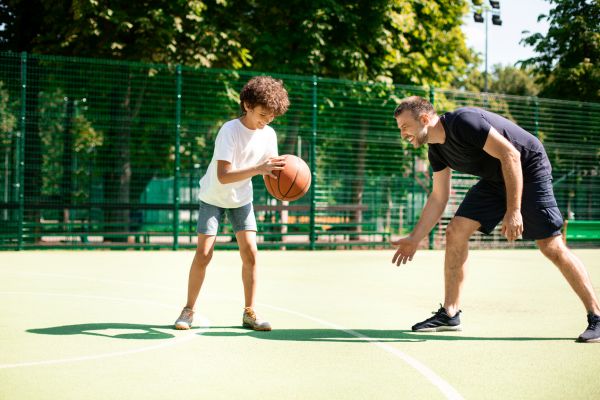
A new coach rarely struggles because of a lack of enthusiasm. More often, the challenge is turning that enthusiasm into clear communication, organized sessions, and good decisions under pressure. Knowing a sport is helpful, but coaching it requires a separate collection of skills. A person may understand every rule and still find it difficult to explain a simple movement to a group of restless young players.
Learning how to train new coaches begins with recognizing this difference. Effective development should prepare coaches to lead real people, not simply test how much technical information they can remember. They need guidance, practice, honest feedback, and enough freedom to develop their own approach. When training is practical and supportive, new coaches become more confident without pretending to know everything from the start.
Begin With the Purpose of Coaching
Before discussing formations, drills, or performance goals, new coaches should understand what their role actually involves. Their responsibility extends beyond winning games. They influence how players experience the sport, respond to mistakes, treat teammates, and handle both success and disappointment.
The purpose may differ according to the setting. A youth coach should focus heavily on enjoyment, safety, participation, and basic development. A coach working with experienced competitors may place greater emphasis on tactical preparation and measurable performance. In either environment, the coach must understand whom they are serving.
Early training should encourage new coaches to define what a successful season looks like. Results matter, of course, but they are only one measure. Improved skills, stronger confidence, reliable attendance, and a healthy team culture can reveal progress that a league table cannot.
Teach Communication Before Complex Tactics
New coaches sometimes believe that authority comes from having the longest explanation. In practice, players usually respond better to instructions that are short, specific, and easy to act upon.
Coach training should include opportunities to explain techniques in plain language. Instead of delivering a five-minute speech about body position, a coach might give one useful cue, let the players try it, and then add another detail. This keeps the session active and allows learning to happen through movement.
Listening is equally important. Coaches need to notice when a player is confused, uncomfortable, or afraid to ask a question. They should also learn to adjust their tone for different ages and personalities. One player may respond well to direct correction, while another needs a quieter conversation and extra reassurance.
Communication is not about sounding impressive. It is about helping another person understand what to do next.
Make Training Sessions Practical
Classroom instruction can provide a useful foundation, but coaching is learned most effectively in the environment where it happens. New coaches should observe sessions, assist experienced leaders, and gradually take responsibility for parts of practice.
A sensible progression might begin with leading a warm-up or demonstrating one drill. Later, the coach can manage a complete activity, explain its purpose, observe performance, and make adjustments. Eventually, they should plan and deliver an entire session while a mentor watches.
This gradual approach prevents new coaches from becoming overwhelmed. It also makes feedback more useful because it can address something that actually happened. A discussion about keeping players engaged becomes much clearer after a coach has experienced a drill that involved too much waiting.
Training should feel close to the reality of coaching. Real sessions include limited space, uneven ability levels, missing equipment, changing weather, and plans that stop working halfway through. New coaches must learn to adapt without losing the central objective.
Show Coaches How to Plan
A good session does not need to be complicated, but it should have direction. Every activity should connect to a clear learning goal.
New coaches can begin by deciding what players should understand or perform better by the end of practice. From there, they can select activities that build toward that outcome. A session might move from a simple technical exercise into a small-sided challenge and then into realistic play where the same skill appears naturally.
Time management deserves special attention. Inexperienced coaches often prepare too many activities, speak for too long, or underestimate transitions. Training them to plan slightly less can produce a better session. Players need enough time to explore an activity rather than being moved along just as they begin to understand it.
Coaches should also prepare alternatives. If a drill is too easy, how can it become more demanding? If players are struggling, how can it be simplified? A flexible plan gives structure without becoming a trap.
Develop Observation Skills
It is difficult to coach what you cannot see. New coaches often watch the ball or the most talented player while missing the wider picture. They need to learn where to stand, what to observe, and when to intervene.
Observation should relate directly to the session goal. If the focus is passing, the coach may watch body position, decision-making, movement before receiving, and the accuracy of the pass. Trying to correct everything at once usually creates noise rather than improvement.
New coaches should also understand the value of waiting. Players need time to solve problems. Stopping an activity after every mistake can destroy its rhythm and make players dependent on instructions. Sometimes the better choice is to watch for another minute, identify a pattern, and then ask a well-timed question.
The ability to notice without constantly interrupting is one of the quieter signs of a developing coach.
Use Feedback That Leads to Improvement
Telling a new coach that a session was “good” may feel encouraging, but it offers very little direction. Useful feedback should describe what happened and explain its effect.
For example, a mentor might note that the coach used clear demonstrations, which helped players begin quickly. The mentor might then point out that several players spent too much time waiting during one activity and ask how the setup could be changed. This approach recognizes strengths while still addressing a real problem.
Feedback should be a conversation rather than a verdict. Ask the coach what they noticed, what surprised them, and what they would change. Self-reflection helps coaches become less dependent on external evaluation.
It is also important to limit the amount of feedback given at one time. A long list of corrections can discourage a beginner. One or two priorities are usually enough for the next session.
Prepare Coaches to Manage People
Technical knowledge alone cannot create a positive team environment. Coaches must set expectations, handle conflict, include different personalities, and respond calmly when emotions rise.
Training should use realistic scenarios. A player may repeatedly interrupt instructions. A parent may question playing time. Two teammates may argue after a mistake. Discussing these situations before they occur gives new coaches a framework for responding.
Consistency matters more than dramatic discipline. Players should understand the standards and see them applied fairly. Coaches also need to separate the person from the behavior. Correcting an action without embarrassing the individual protects both authority and trust.
For youth coaches, safeguarding and appropriate boundaries must be treated as essential responsibilities. They should know the relevant procedures, reporting routes, and communication rules before leading players independently.
Encourage an Individual Coaching Style
Mentors naturally influence new coaches, but development should not produce identical copies. Some coaches are energetic and expressive. Others lead with a calmer presence. Both approaches can work when communication is clear and players feel respected.
New coaches should observe several experienced leaders rather than following only one model. This exposes them to different ways of organizing sessions, giving feedback, and building relationships. They can borrow useful ideas while discovering what feels authentic.
Confidence grows through experience, not performance. A new coach does not need to imitate a louder personality to appear capable. Players quickly notice when behavior feels forced. A steady, genuine style usually creates stronger connections.
Create Ongoing Support
Training should not end after an introductory course. New coaches will face fresh questions as they gain responsibility, and many of those questions will only make sense after several weeks of practice.
Regular mentor conversations, session observations, and informal check-ins help coaches continue developing. Video can also support reflection when used appropriately. Watching a short recording may reveal habits that are difficult to notice in the moment, such as speaking too much or remaining in one position.
Support should gradually become less directive. Early on, a mentor may provide detailed guidance. Later, the coach should take greater ownership of planning, evaluation, and problem-solving. The aim is independence, but not isolation.
Building Coaches Who Keep Learning
Understanding how to train new coaches is ultimately about creating the conditions for steady growth. Technical information has its place, yet the strongest development comes from practical experience, thoughtful observation, focused feedback, and reliable support.
New coaches will make mistakes. Sessions will occasionally become disorganized, explanations will miss the mark, and carefully planned activities will fail. Those moments are not evidence that training has gone wrong. They are part of learning to coach.
A well-trained coach is not someone who always has an immediate answer. It is someone who pays attention, reflects honestly, adapts with purpose, and keeps the needs of players at the center of every decision.