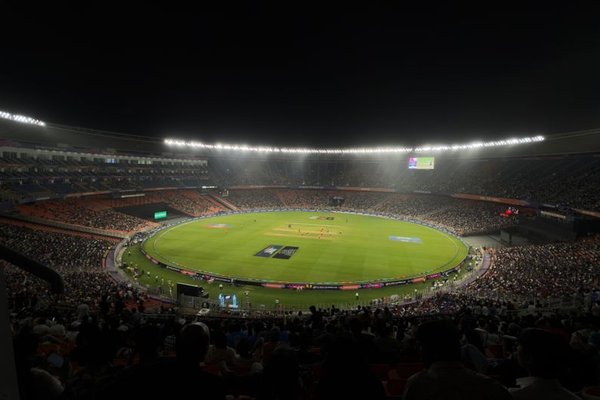
When northern-hemisphere cricket slows down for winter, Australia is in the middle of summer, and that is exactly where the Big Bash League fits. The BBL is Australia’s major men’s domestic T20 competition, built around evening matches, city-based franchises and a schedule across December and January. For new fans, it feels like traditional cricket packaged as a summer event: the basic laws are familiar, but the league has its own rhythm and tactical twists.
The competition has also changed over time, so older explainers can be misleading. The much-discussed X-Factor substitution is no longer part of the BBL, while the Power Surge remains. From BBL|16 in 2026-27, teams will also have the option of using a new designated batter and designated fielder system. If you want the Big Bash League explained as it works now, that distinction matters.
What is the Big Bash League?
The Big Bash League is a professional Australian T20 league operated by Cricket Australia. Each side can bat for a maximum of 20 overs, so matches are designed to fit into an evening rather than a full day. That suits Australia’s summer sporting calendar, especially during school holidays, Christmas and the New Year period.
The 2026-27 BBL|16 season is scheduled to run from 12 December 2026 to 26 January 2027, with 44 matches including finals. The regular season is followed by a four-match finals series involving the top four teams. That compact window is why the Australian T20 league feels so seasonal: it arrives when cricket crowds are already focused on summer Tests and holiday fixtures.
Who are the eight BBL teams?
There are eight BBL teams: Adelaide Strikers, Brisbane Heat, Hobart Hurricanes, Melbourne Renegades, Melbourne Stars, Perth Scorchers, Sydney Sixers and Sydney Thunder. The two Melbourne clubs and two Sydney clubs create local derbies, while the other teams represent major Australian cricket markets around the country.
The city-based structure makes the league easy to follow without knowing Australia’s traditional state cricket system. A supporter can identify with a local franchise, a home ground and a familiar set of rivalries from the start.
How does a BBL match work?
At its core, a BBL game follows standard T20 cricket. Each team gets up to 20 overs, with six legal balls in an over. A bowler can deliver no more than four overs. The side scoring the most runs wins, and fielding restrictions change through the innings to encourage attacking play.
What makes the BBL different is how it adjusts parts of the format to create more decision points. The clearest example is the Power Surge.
The Power Surge rule explained
In many T20 competitions, the main powerplay fills the first six overs. The BBL splits that concept. The opening powerplay lasts four overs, when only two fielders can be outside the inner fielding circle. The batting team then has a two-over Power Surge available later in the innings, from the 11th over onward, with the same two-fielder restriction.
This power surge rule lets the batting side choose when to create an attacking window. Imagine a team reaches 92 for two after 10 overs. If two set batters are at the crease, they might call the Surge immediately and attack. If a wicket has just fallen, they may delay it until the new batter settles. That choice affects when captains use their best bowlers and can shift the momentum of a match.
For a new fan, watch the scoreboard around overs 11 to 16 and ask whether the batting side has used its Surge. It quickly explains sudden bowling changes and bursts of aggressive batting.
What happened to the X-Factor rule?
The X-Factor rule appears in older BBL guides, but it was scrapped after two seasons. Under that system, teams could substitute an eligible player after the 10th over of the first innings. Cricket Australia removed the X-Factor and the Bash Boost bonus point before BBL|12, while keeping the Power Surge.
That history shows the BBL’s approach to innovation: it is willing to experiment, but not every idea becomes permanent.
A new twist for BBL|16: the designated batter
From the 2026-27 season, clubs can choose to nominate a designated batter before the toss. That player may bat but cannot bowl or field. If a club uses the option, it must also nominate a designated fielder, who can field and may keep wicket but cannot bowl. Teams that do not want the arrangement can select a traditional playing XI.
The concept is not the old X-Factor system revived. Instead, it gives teams another way to balance specialist batting and fielding skills, adding a new tactical decision before the match begins.
Why does the BBL run in December and January?
The timing is central to the league’s appeal. December and January are summer months in Australia, with long evenings, school holidays and major cricket already dominating the sporting calendar. BBL games can sit alongside Test matches, Boxing Day cricket, New Year’s Eve events and holiday nights when families are more likely to attend or watch.
That gives the competition a different identity from leagues staged mainly in April, May or the northern summer. The BBL is designed as part of the Australian summer itself, not simply another franchise tournament dropped into the calendar.
How the finals work
The current BBL finals structure takes the top four teams from the regular-season table. Higher finishing teams receive the stronger route through the playoffs, while lower-ranked qualifiers face greater elimination pressure. For BBL|16, the four-game finals format remains in place, ending with the championship match on 26 January 2027.
Frequently asked questions
How many teams are in the Big Bash League?
There are eight teams in the men’s BBL: Adelaide Strikers, Brisbane Heat, Hobart Hurricanes, Melbourne Renegades, Melbourne Stars, Perth Scorchers, Sydney Sixers and Sydney Thunder.
Is the Power Surge still used in the BBL?
Yes. The Power Surge remains part of the competition. It gives the batting team a two-over period later in the innings with only two fielders allowed outside the inner circle.
Does the BBL still use the X-Factor player?
No. The X-Factor substitution was removed before BBL|12. From BBL|16, a different optional designated batter and designated fielder rule is being introduced.
When is the Big Bash League played?
The BBL is primarily a December-and-January competition during the Australian summer. BBL|16 is scheduled from 12 December 2026 to 26 January 2027.
Why the Big Bash still stands out
The BBL works because its identity is tied to more than 20-over cricket. Eight recognisable city teams, holiday-night scheduling, the tactical Power Surge and a willingness to test new ideas give it a distinct place among global franchise leagues. For a new viewer, learn the eight teams, understand when the Surge can be used and follow how the table shapes the top-four finals race. Once those pieces click, Australia’s summer T20 show becomes much easier to read.